
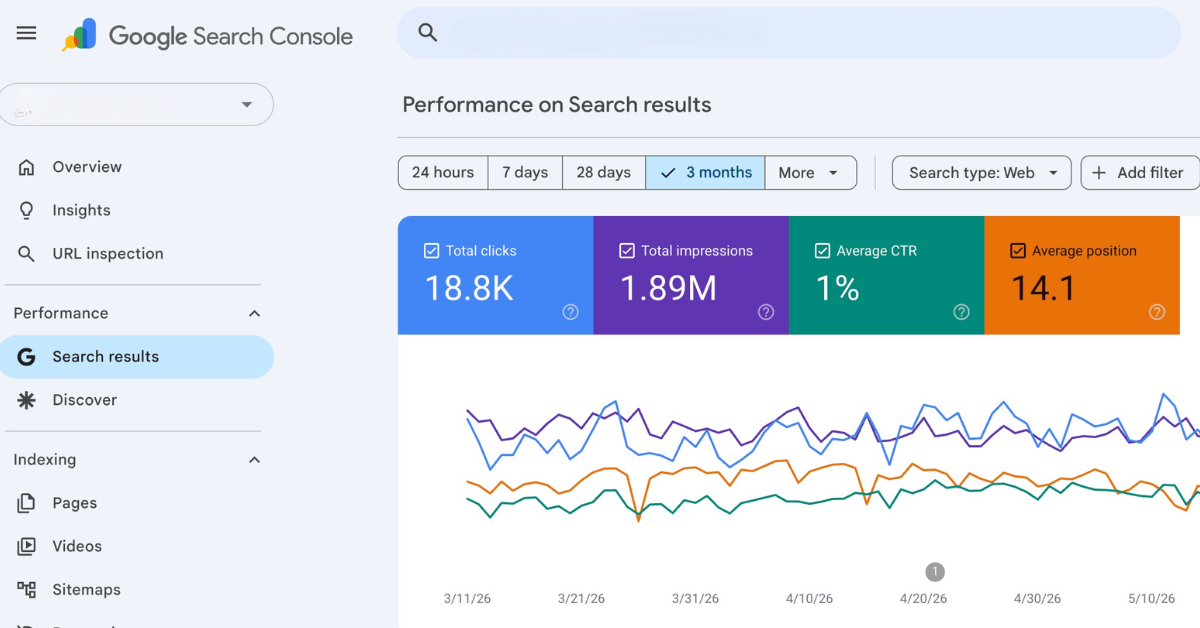
As search continues to evolve with AI-driven results, Google updates, and features like AI Overviews, you might be wondering What Are The 7 Types Of SEO and whether the fundamentals still apply to your business.
Search is not disappearing. Google still processes billions of searches every day, making it one of the most consistent ways for you to attract traffic, leads, and revenue. What is changing is how search engines interpret content and how people interact with results.
Despite these changes, the core principles of SEO remain the same. Search engines still aim to deliver the most relevant, trustworthy, and useful answers to users. When you understand these fundamentals, it becomes much easier to adapt your strategy and stay competitive as search evolves.
In this guide, we break down the seven types of SEO, how each one contributes to your visibility, and what we are seeing in real SEO projects. The goal is to give you clear, practical insight so you can make better decisions for your business.
What Is SEO?
SEO (search engine optimisation) is the process of improving a website so it ranks higher in search engine results like Google. It helps businesses attract organic traffic by making their content more relevant, accessible, and trustworthy.
SEO works by helping search engines understand your content and decide when to show it for specific searches. When done well, it connects your website with people who are already looking for what you offer.
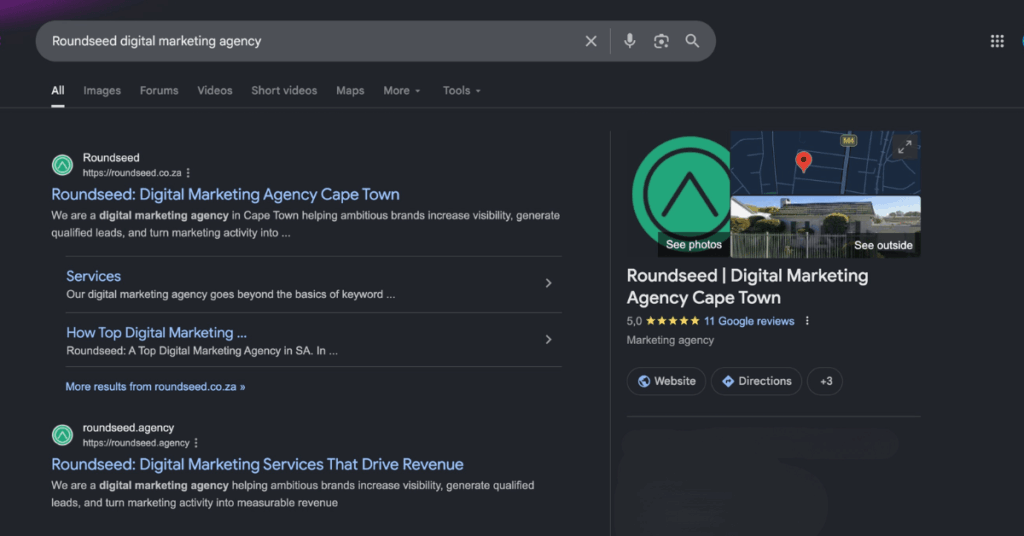
At its core, SEO is built on three key areas:
- Content: Creating pages that match what people are searching for
- Technical performance: Making sure your website is fast, accessible, and easy to crawl
- Authority: Building trust through links and external signals
Understanding these fundamentals makes it easier to answer what are the 7 types of SEO and how each one contributes to your overall visibility.
What Are The 7 Types Of SEO
SEO is not a single strategy. It’s made up of different approaches that work together to improve your visibility in search results. Understanding what are the 7 types of SEO will help you see where to focus your efforts and how each element contributes to your overall performance.
Below, we break down each type and how it plays a role in helping your website rank.
1. On-Page SEO
On-page SEO is the process of optimising individual pages so search engines can understand your content and match it to relevant searches. It focuses on your content, structure, and how clearly your page answers a user’s query.
On-page SEO matters because search engines rely on on-page signals to determine how relevant and trustworthy your content is. This includes E-E-A-T signals (Experience, Expertise, Authoritativeness, and Trustworthiness), which help search engines assess whether your content is credible and worth ranking. Content that demonstrates real knowledge, is well-structured, and supported by reliable sources is far more likely to perform well.
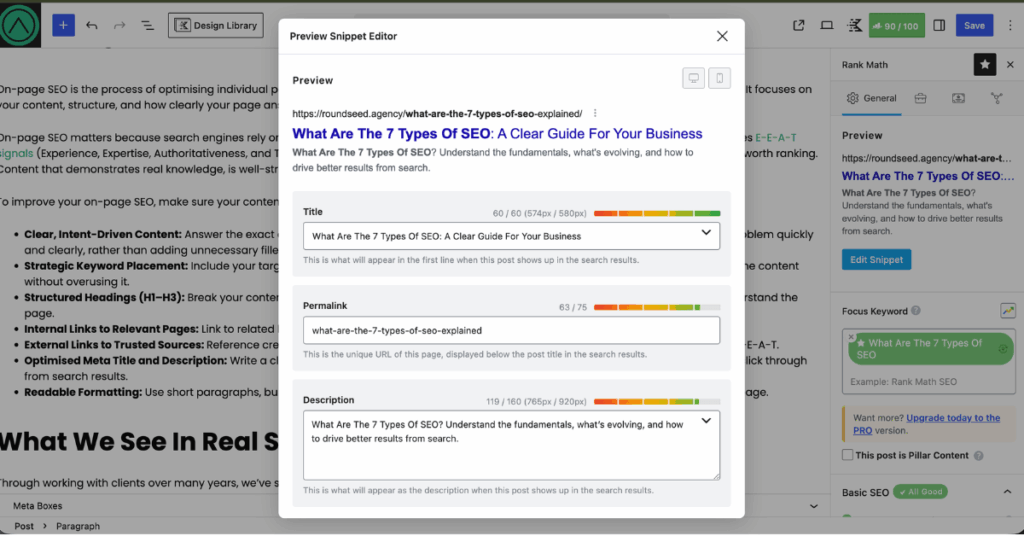
To improve your on-page SEO, make sure your content includes:
- Clear, Intent-Driven Content: Answer the exact question the user is searching for within the first few paragraphs. Focus on solving the problem quickly and clearly, rather than adding unnecessary filler.
- Strategic Keyword Placement: Include your target keyword in the H1, at least one H2, within the first 100 words, and naturally throughout the content without overusing it.
- Structured Headings (H1–H3): Break your content into logical sections using headings so both users and search engines can easily understand the page.
- Internal Links to Relevant Pages: Link to related blogs or service pages to build topical authority and help users navigate your site.
- External Links to Trusted Sources: Reference credible sources to support your content and strengthen trust signals, which contribute to E-E-A-T.
- Optimised Meta Title and Description: Write a clear SEO title and meta description that includes your keyword and encourages users to click through from search results.
- Readable Formatting: Use short paragraphs, bullet points, and simple language to improve readability and keep users engaged on the page.
What We See In Real SEO Projects
Through working with clients over many years, we’ve seen that simply publishing content is not enough to drive rankings.
Many websites have plenty of content but fail to perform because there is no clear SEO strategy behind it. Pages are created without targeting specific keywords, structured headings, or supporting internal and external links.
When content is planned with intent, structured clearly, and supported by credible signals, search engines have a much clearer understanding of what the page is about. This forms the foundation of effective SEO.
However, this alone is not enough to guarantee rankings. Strong-performing content is continuously refined by improving E-E-A-T signals, staying relevant, and adapting to how search is evolving, including AI-driven results.
2. Off-Page SEO
Off-page SEO refers to actions taken outside of your website that influence how search engines perceive your authority and trustworthiness. While on-page SEO helps search engines understand your content, off-page SEO helps build credibility around it.
Off-page SEO matters because search engines look at external signals such as backlinks, brand mentions, and reviews to assess how authoritative and trustworthy your website is. These signals help validate your content, but they are not always the primary driver of rankings.
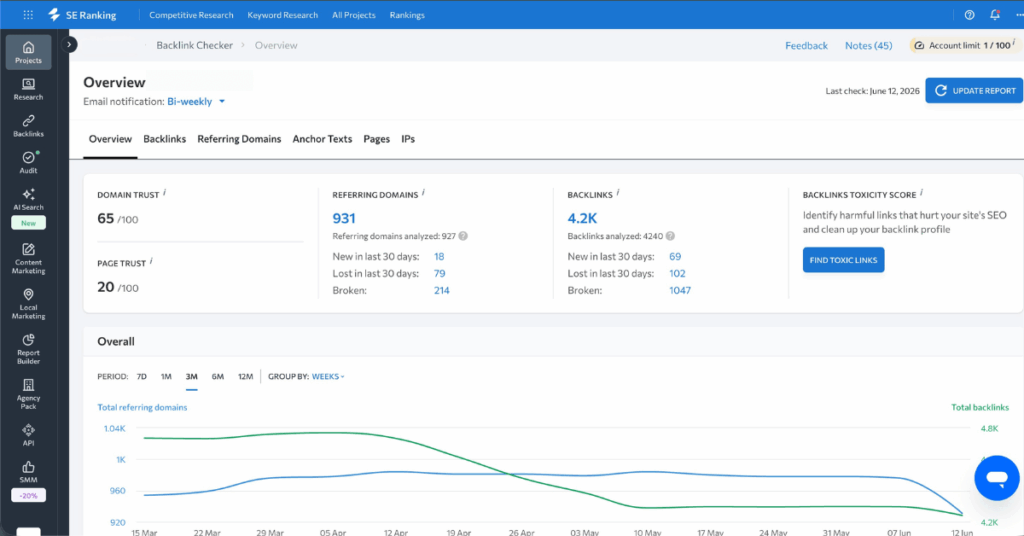
When working on off-page SEO, focus on the elements that genuinely build credibility:
- Earning Relevant Backlinks: Build links naturally through partnerships, collaborations, and industry relationships rather than chasing volume.
- Building Brand Visibility: Mentions across trusted platforms help reinforce credibility, even without direct links.
- Customer Reviews and Social Proof: Positive reviews play a key role in building trust and influencing user decisions.
- Strategic Partnerships: Working with complementary businesses or industry voices can lead to more meaningful exposure and backlinks.
- Consistent Business Information: Ensure your brand details are accurate across directories and platforms to maintain trust signals.
What We See In Real SEO Projects
Through working with clients, we’ve found that off-page SEO is often overemphasised compared to other areas of SEO.
In many cases, improving on-page structure, content quality, and technical performance has a far greater impact on rankings than actively trying to build backlinks. Websites can see strong growth without heavy off-page activity when the foundation is strong.
That said, off-page SEO still plays an important role in building credibility. Reviews, in particular, are one of the most valuable signals, as they provide real social proof and help build trust with both users and search engines.
Rather than treating off-page SEO as a primary focus, we see it as something that supports and amplifies results once the fundamentals are in place. Building genuine relationships, partnering with relevant brands, and earning links over time tends to be far more effective than forced outreach, unless there is a significant budget behind it.
3. Technical SEO
Technical SEO focuses on how well your website is built and how easily search engines can crawl, understand, and store your content in their index. Indexing simply means that your pages are added to a search engine’s database so they can appear in search results.
While on-page SEO is about what you say, technical SEO is about how your website delivers that content. If search engines cannot properly access or store your pages, your content is unlikely to appear in search results, regardless of how well it is written.
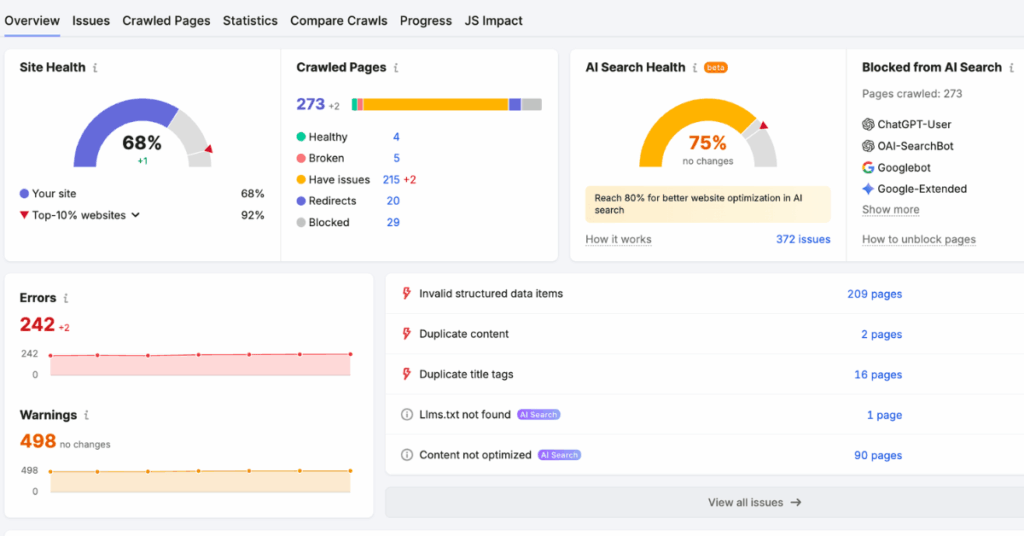
To improve your technical SEO, make sure your website includes:
- Fast Page Load Speed: Pages should load quickly across all devices. Slow websites reduce user engagement and can impact visibility.
- Mobile-Friendly Design: Your site must perform well on mobile, as search engines prioritise mobile-first indexing.
- Clean Site Structure: A logical structure with clear navigation helps search engines crawl and understand your content more effectively.
- Proper Indexing and Crawlability: Ensure important pages can be discovered and stored by search engines, while unnecessary pages are excluded.
- Optimised Core Web Vitals: Focus on loading performance, interactivity, and visual stability to improve overall page experience.
- Secure Website (HTTPS): A secure site builds trust with users and is a basic expectation for modern websites.
- Regular Technical Checks: Ongoing audits help identify issues such as broken links, duplicate content, or crawl errors that can limit performance.
What We See In Real SEO Projects
Through working on websites over time, we’ve seen how much of an impact technical SEO can have when something isn’t working properly.
In one case, a site had strong content, consistent publishing, backlinks, and good reviews, yet rankings remained stuck, with average keyword positions sitting on page 3 or 4 of Google.
After a full technical audit and resolving underlying issues, performance shifted quickly. Within a short period, those same keywords moved onto page 1 of Google.
This highlights how important it is for search engines to properly access, interpret, and trust your content. If a website is slow, difficult to crawl, or not functioning correctly, it can limit how confidently search engines rank it.
That said, technical SEO works best as part of a broader strategy. A technically sound website still needs clear keyword targeting, strong content, and a good user experience to perform well. Search engines ultimately prioritise content that delivers the best possible answer to the user, quickly and without friction.
4. Local SEO
Local SEO focuses on improving your visibility when users are searching for services within a specific area.
While searches like “near me” and location-based queries are still relevant, search behaviour is evolving. Users are increasingly searching in more natural, conversational ways, especially within maps, where they expect direct recommendations rather than a list of options. At the same time, traditional search results still play an important role, meaning local SEO needs to support both.
For businesses that serve a local market, visibility across these touchpoints can directly impact enquiries, foot traffic, and revenue. Appearing in map results, local listings, and standard organic results all contribute to how easily customers can find and choose your business.
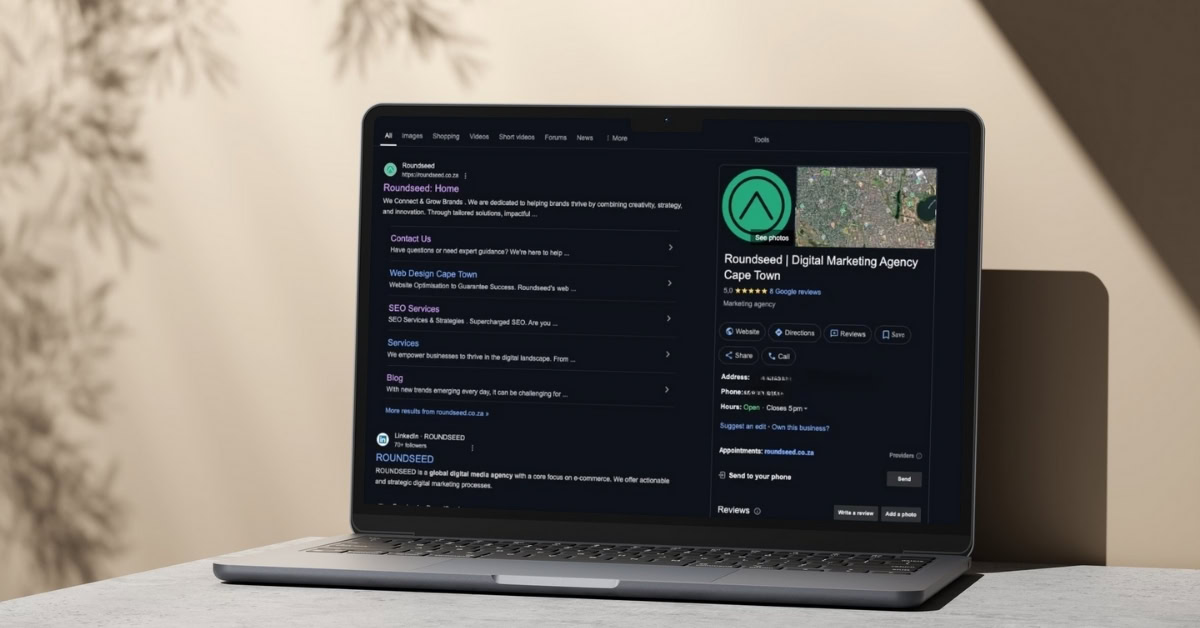
To improve your local SEO, focus on:
- Optimising Your Google Business Profile: Ensure your listing is complete, accurate, and regularly updated with relevant information, images, and posts.
- Collecting and Managing Reviews: Encourage customers to leave reviews and respond to them. Reviews are one of the strongest signals of trust and influence both rankings and user decisions.
- Consistent Business Information (NAP): Keep your name, address, and phone number consistent across all directories and platforms.
- Local Keyword Targeting: Include location-based keywords naturally within your content and service pages.
- Local Listings and Directories: Ensure your business is listed on relevant, reputable directories to strengthen your local presence.
What We See In Real SEO Projects
From our experience, local SEO works best when it aligns with how people actually search.
If there is real demand for location-based keywords, then local SEO should be a priority. If not, creating pages for multiple areas tends to add little value. The focus should always be on relevance rather than trying to target everything.
Visibility within Google Business Profile remains critical, as these listings often appear before standard results and influence both discovery and decision-making.
Reviews are one of the strongest trust signals in local SEO. A Forbes article shared that 98% of consumers read reviews before making a purchase, and 88% are more likely to choose businesses that actively respond to feedback.
Additionally, Google Maps has begun integrating AI features such as “Ask Maps” in some regions. These tools analyse review content to better understand the service experience and outcomes provided, helping match users with businesses that more closely align with what they’re actually looking for.
This means it is no longer just about having the most five-star reviews. Reviews that clearly describe what was done, how it was delivered, and the result provide far more value and context.
For businesses, this means staying up to date is essential. Clear service pages, well-maintained profiles, and detailed reviews all contribute to how well a business is understood and surfaced.
Overall, local SEO works best when it is focused, intentional, and built around real demand. Prioritising visibility and trust will deliver far better results than trying to target everything at once.
5. E-Commerce SEO
Ecommerce SEO focuses on optimising product and category pages to capture high-intent searches and drive transactions. Unlike other types of SEO, the goal here is not just visibility, but converting that visibility into revenue.
In practical terms, this means showing up where customers are ready to buy. This could be in standard organic results for product or category searches, or alongside shopping-style results where users are comparing options. The goal is to appear for searches that indicate clear purchase intent and to present your products in a way that makes it easy for users to take action.
This means aligning your content with what users are actively searching for when they are ready to buy. Search engines prioritise pages that clearly match intent, provide useful information, and offer a smooth buying experience.
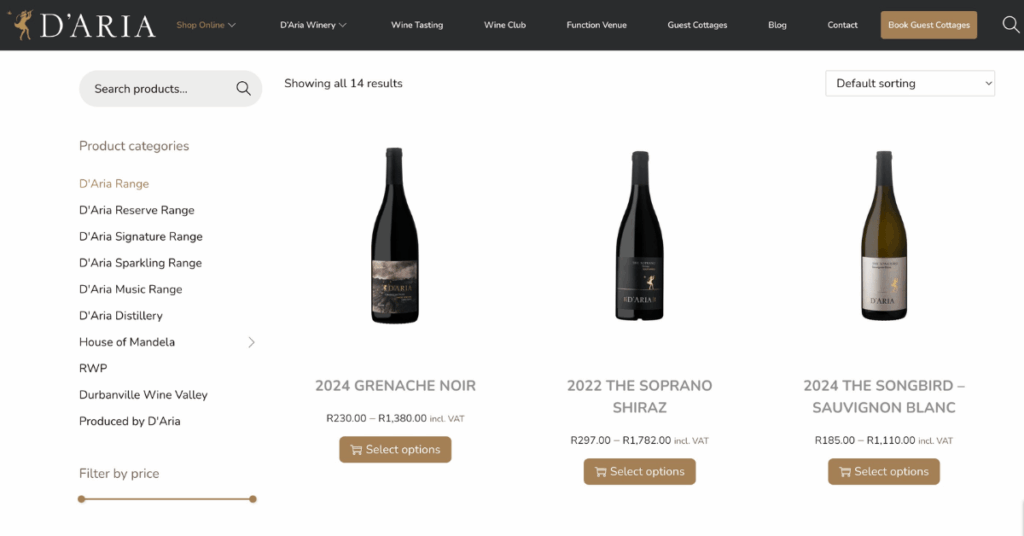
To improve your e-commerce SEO, focus on:
- Optimising Product And Category Pages: Use clear titles, structured headings, and detailed descriptions that match how customers search.
- Targeting Transactional Keywords: Focus on keywords that signal buying intent, such as “buy”, “best”, or product-specific searches.
- Improving Site Structure: Ensure products are easy to find through logical categories and internal linking.
- Enhancing User Experience: Fast load times, mobile usability, and a smooth checkout process all influence performance.
- Using Structured Data: Help search engines understand your products by marking up prices, availability, and reviews.
What We See In Real SEO Projects
Through working with e-commerce websites, we’ve found that performance comes down to clarity, both in how pages are structured for search and how users move towards a purchase.
From a search perspective, it’s important that your keywords match user intent. Informational pages should target keywords where users are researching, while transactional pages should focus on keywords where users are ready to buy. Mixing these can create confusion for search engines and lead to keyword cannibalisation, making it harder for the right page to rank.
Once users land on a page, the focus shifts to ease of action. The buying journey should be simple and intuitive, without unnecessary steps or friction. Key product information and purchase options should be easy to find, allowing users to take action without hesitation.
Mobile experience also plays a significant role. With a large portion of ecommerce traffic coming from mobile devices, a site that is difficult to use on a phone can impact both visibility and conversions.
Overall, e-commerce SEO performs best when search intent and user experience are aligned, making it easy for both search engines and users to understand what to do next.
6. Content SEO
Content SEO focuses on creating the right content based on what people are actually searching for, so your website can rank and attract the right audience.
The process should start with keyword research, not content creation. This ensures your content aligns with real search demand and user intent.
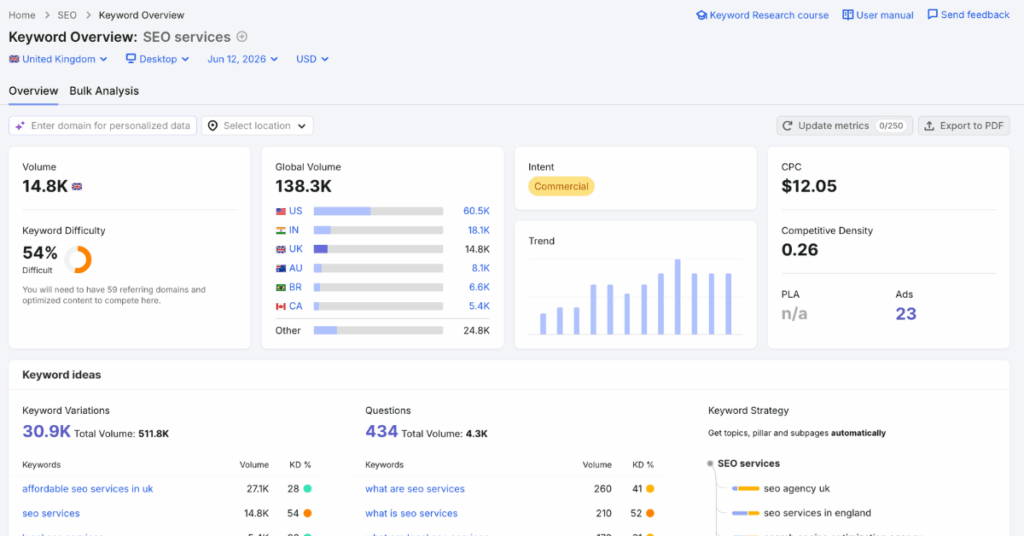
To improve your content SEO, focus on:
- Start With Keyword Research: Identify what your audience is actually searching for before creating content. Avoid writing content first and trying to fit keywords in later.
- Match Content To Search Intent: Ensure each page clearly aligns with what the user is trying to achieve, whether they are researching, comparing, or ready to take action.
- Build Content Around Topics, Not Isolated Pages: Create multiple pieces of content that support a core topic to strengthen relevance and authority.
- Use Internal Linking Strategically: Connect related pages to help search engines understand your site structure and guide users through your content.
- Include E-E-A-T Signals: Add credible sources, real insights, and clear structure to build trust and improve visibility.
What We See In Real SEO Projects
Through working on content strategies over time, we often see businesses creating content that reads more like PR than SEO.
This includes opinion pieces, announcements, and industry commentary. While this type of content has value, it is not always aligned with what users are actively searching for.
A common challenge is starting with content ideas first and then trying to fit keywords into them afterwards. In many cases, there is little to no search demand behind these topics, which makes it difficult for the content to rank or drive consistent traffic.
Stronger results come from reversing that approach. Starting with keyword research and understanding search intent allows you to create content that meets real demand and performs in search.
That said, there is still a place for PR-style content. Thought leadership, updates, and opinion pieces can support your brand and provide value to your audience. The key is balance.
SEO-driven content builds visibility and attracts traffic, while PR-style content strengthens brand positioning. Both are important, but they serve different purposes.
7. Mobile SEO
Mobile SEO focuses on ensuring your website performs well on mobile devices, both in terms of visibility and user experience. With mobile devices (excluding tablets) accounting for over 62% of global website traffic in 2025, how your site performs on smaller screens is now a key factor in both rankings and user engagement.
Search engines prioritise websites that load quickly, are easy to navigate, and display content clearly on mobile. If your site is difficult to use on a phone, it can impact how users interact with your content and whether they take action.

To improve your mobile SEO, focus on:
- Mobile-Friendly Design: Ensure your website adapts properly to different screen sizes and remains easy to use.
- Fast Load Times: Pages should load quickly to prevent users from leaving before they engage with your content.
- Simple Navigation: Make it easy for users to find what they need without excessive scrolling or clicking.
- Readable Content: Use clear fonts, spacing, and layouts that work well on smaller screens.
- Minimising Friction: Reduce unnecessary steps, pop-ups, or elements that make it harder to take action.
What We See In Real SEO Projects
From an SEO perspective, mobile performance is always a priority. With the majority of searches happening on mobile, it’s often the primary way users interact with a website.
When reviewing performance, we look at factors like page speed, usability, and layout from a mobile-first perspective. Even if a site performs well on desktop, poor mobile performance can limit both visibility and engagement.
It’s also something most users have experienced firsthand. Visiting a site on your phone that is slow to load, difficult to navigate, or cluttered with content often leads to frustration and quick drop-off. This kind of experience increases bounce rates and reduces the likelihood of users taking action.
Mobile SEO is not just a technical requirement. It directly affects how users engage with your site and whether they stay, explore, or leave.
How These Types Of SEO Work Together
To fully understand ‘what are the 7 Types of SEO’, it’s important to recognise that they do not work in isolation. Each type plays a different role, but they all contribute to how search engines evaluate and rank your website.
In practice, SEO works as a system rather than a checklist.

For example, a single page might:
- Use content SEO to target a specific keyword and match search intent
- Apply on-page SEO to structure that content clearly for both users and search engines
- Rely on technical SEO to ensure the page loads quickly and can be properly crawled and indexed
- Benefit from off-page SEO signals like links, mentions, and reviews to build trust
If any one of these areas is weak, it can hold the page back. Strong content alone will struggle to rank if the site is slow or difficult to crawl. Likewise, a technically sound site will not perform if the content does not match what users are searching for.
From our experience, the biggest improvements come from aligning these elements rather than focusing on one in isolation. When everything works together, search engines can more confidently understand your content, trust your website, and present it to the right audience.
SEO is not about doing more. It’s about making sure every part of your strategy supports the same goal.
Which Type Of SEO Should You Focus On First
The right starting point depends on your business, your goals, and the current state of your website. SEO is not one-size-fits-all, so it’s important to focus on what will have the biggest impact first.
- New Websites: Start with technical SEO and content SEO to build a strong foundation. Your site needs to be accessible, fast, and filled with content that targets real search demand.
- Established Websites: Focus on improving on-page SEO and refining existing content. Small changes to structure, clarity, and keyword alignment can unlock better performance.
- Local Businesses: Prioritise local SEO, especially your Google Business Profile and reviews. Visibility in local search and maps can directly drive enquiries and foot traffic.
- E-commerce Websites: Focus on product and category pages, site structure, and user experience. Make it easy for both search engines and users to find products and complete transactions.
In most cases, the best results come from getting the fundamentals right first, then building authority and refining your strategy over time.
Bringing Your SEO Strategy Together
SEO is not about quick wins or isolated tactics. It is about building a strategy where every element works together to improve visibility, trust, and performance over time. By understanding how each type of SEO contributes to the bigger picture, you can make more informed decisions and focus your efforts where they will have the greatest impact.
At Roundseed, we work closely with businesses to develop SEO strategies that are clear, practical, and built around real growth. Our SEO optimisation services are designed to help you strengthen your foundation, improve performance, and drive meaningful results over time. Whether you are starting from scratch or looking to refine your current approach, you can book a free call with our team and we will walk you through the next steps.
We hope you found this blog on ‘What Are The 7 Types Of SEO’ helpful. If you have any questions or need guidance on where to start, feel free to get in touch or book a free call.